Home

Dedicated to Every Life, Committed to Every Village

Empowering Every people

Who We Are

The organization is a nonprofit organizations was established by some visionary and experienced fellow for judicious and holistic development of rural unprivileged sections of the society toward make them self-reliant, and registered under the society registration Act 1860, on 13 September 1988 for taking-up its interventions of activities all over India
 
The organization believes in working by optimum utilization of available local resources in the village for self-reliant community. We follow and practice working with the people with their knowledge, power, insight, people’s unity, and put our effort together to solve the existing problems.
 
GVSS extensively working in the field of Natural Resource Management, health and family welfare ,vocational training, education, agriculture and livestock development by forming and strengthening of village committees (marginal farmers’ specifically rural women) to better achievement of the program. Organization has renovated 51 old wells in five villages and setting up hand pumps in ten villages of Dausa and Jamwaramgarh block in Jaipur. It has motivated local communities and with their support constructed 173 water harvesting structures (Johads), anicuts and several farm bunds.
gramin vigyan shava shansthan Dausa GVSS https://gvssindia.org/

Activities

01.

Land and Water Resource Development and Management:

water-harvasting-Gramin vigyan shavasansthan GVSS gvssindia.org

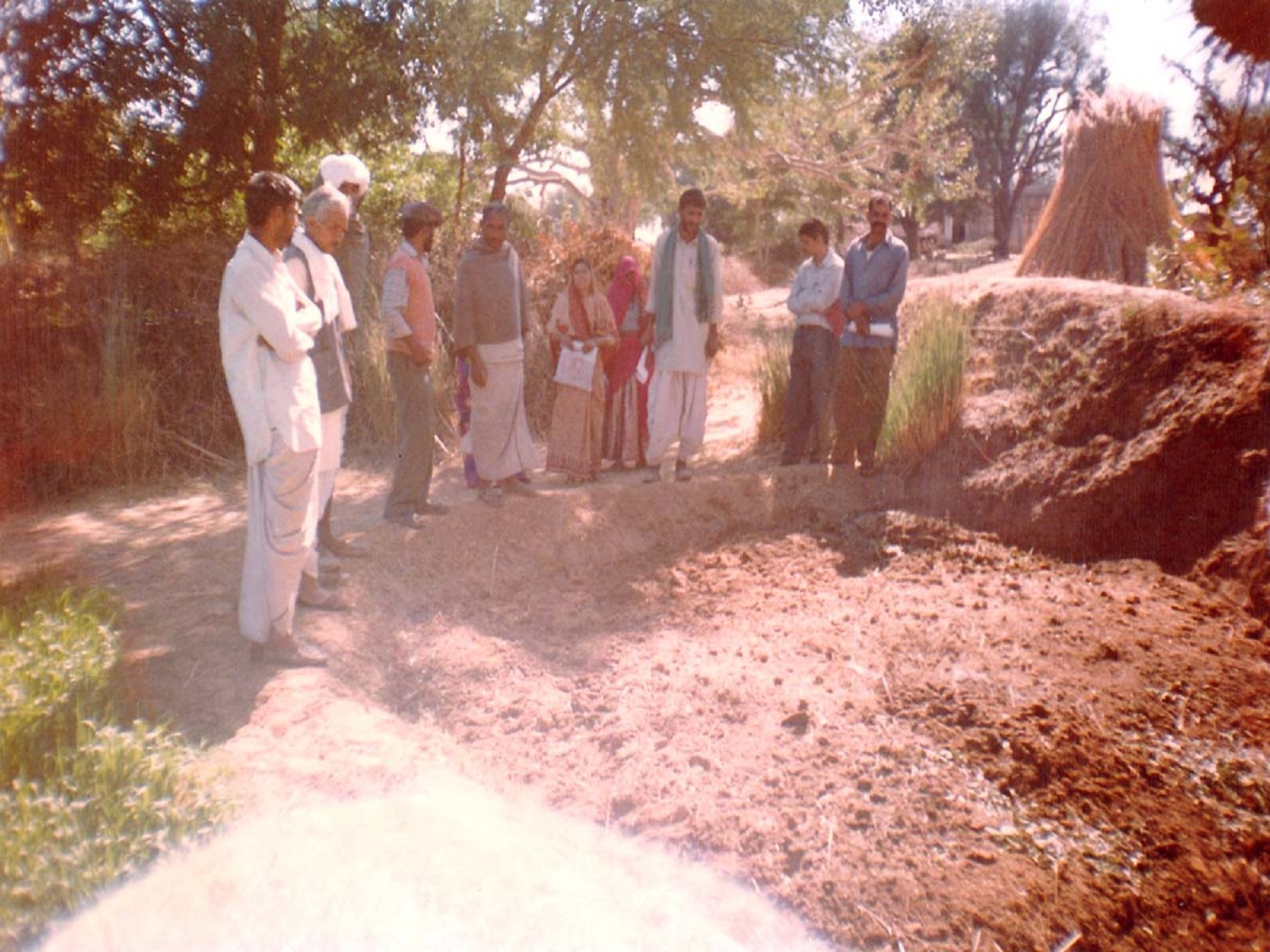
Due to scarcity of water and excessive soil erosion in the region, it is necessary to control and have check on it. The GVSS’s technical staff has supervised and provide technical guidance in appropriate site selection, designing
See more

02.

Soil and moisture conservation

Soil and moisture conservation Gramin Vigyan Seva Sansthan (GVSS) gvssindia.org


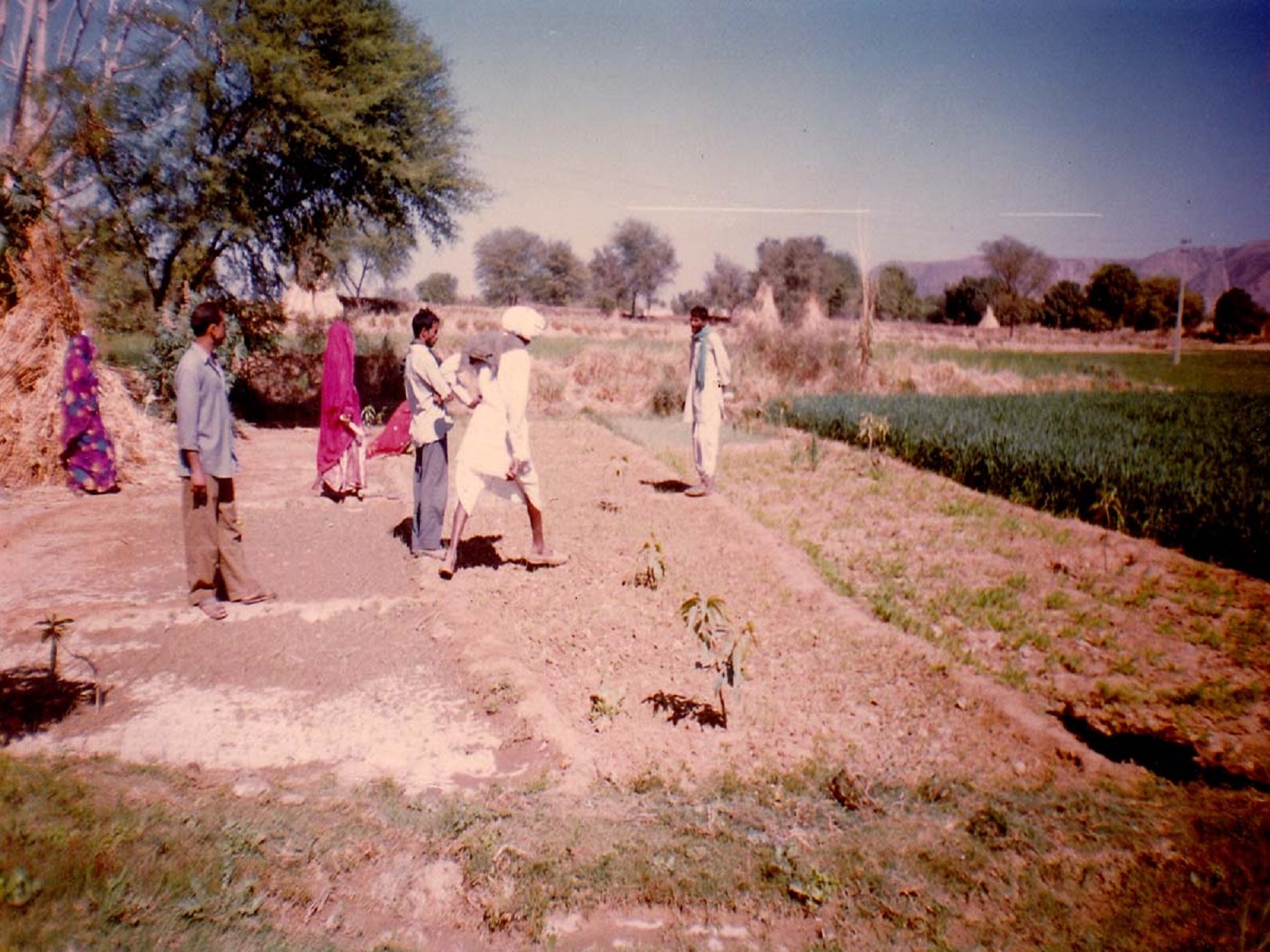
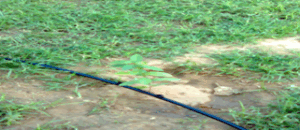
The working area of GVSS is badly affected by formation of gullies and drains washed-up due to inappropriate soil management. Priority in the region is to have proper soil management to check velocity of water for reducing soil erosion and regenerating vegetation
See more

03.

Promotion of Agro-forestry for fuel and fodder

Promotion of Agro-forestry for fuel and fodderGramin Vigyan Seva Sansthan (GVSS) gvssindia.org

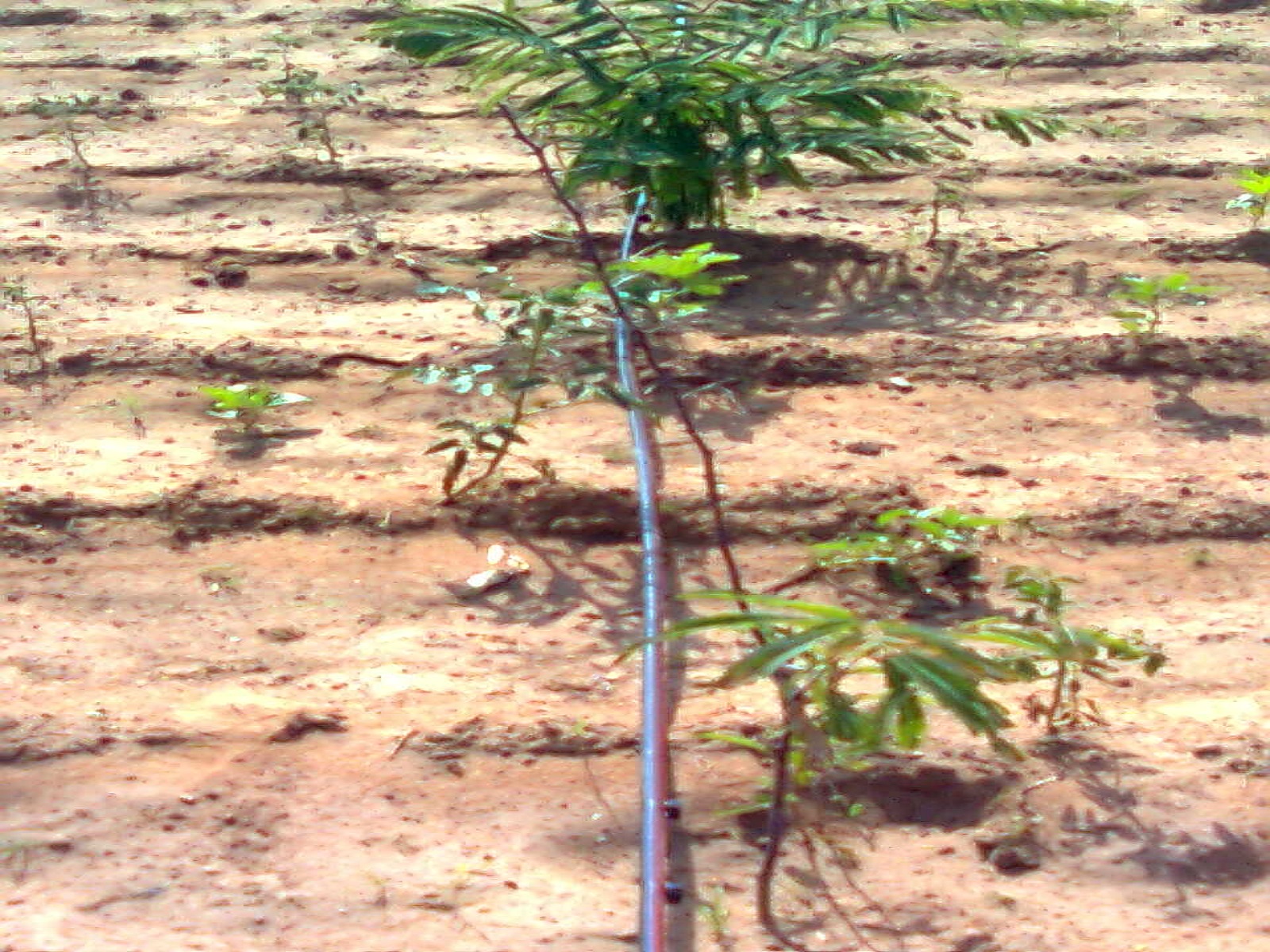
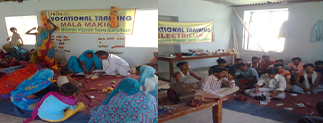
At the same time as in sustainable livelihoods these to be addresses as agro-forestry. That addresses fodder, fuel and timber deficits, which plays an important role in rural farming community.
See more

04.

Vocational Training

Vocational Training Gramin Vigyan Seva Sansthan (GVSS) gvssindia.org

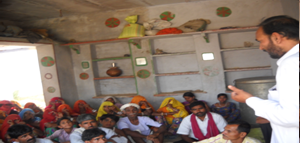
Activities should be identified keeping in view local resources, market demands, aptitude and interest of the entrepreneurs, availability of linkages, required capital and contribution of entrepreneurs. The emphasis under this programme should be in terms of increasing productivity and quality for achieving gainful self-employment with a view to generates adequate income and should not aim at mere achievement of targets 
See more

05.

Agro biodiversity conservation

Agro biodiversity conservation Gramin Vigyan Seva Sansthan (GVSS) gvssindia.org

The basic objective of this programme is to ensure that a sizable number of unemployed youth can be developed as potential  entrepreneurs so that they can take up gainful Self Employment in different activities/trades/areas for economic self-reliance
See more

06.

Environment Awareness Camp

Environment Awareness Camp Gramin Vigyan Seva Sansthan (GVSS) gvssindia.org
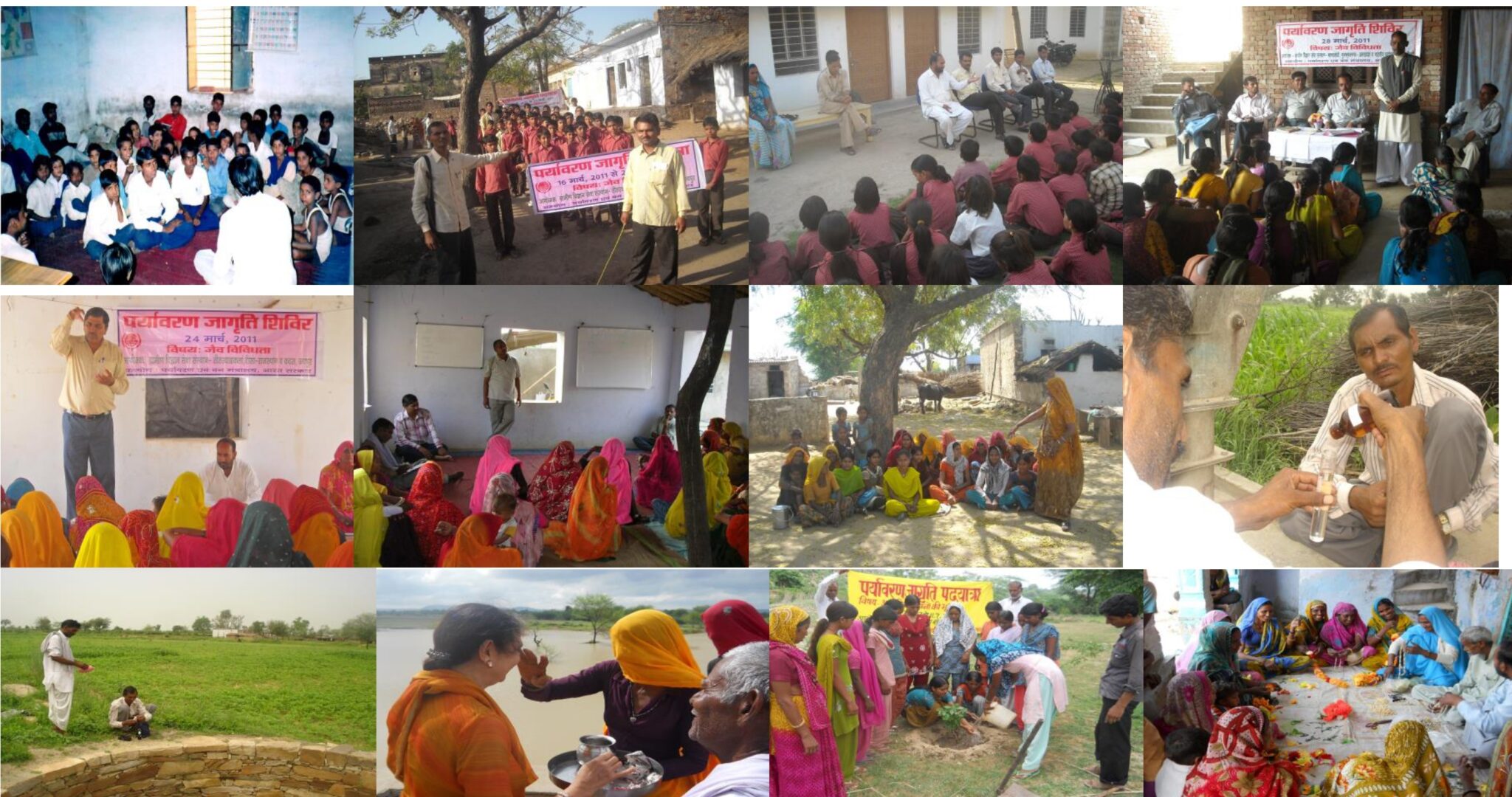
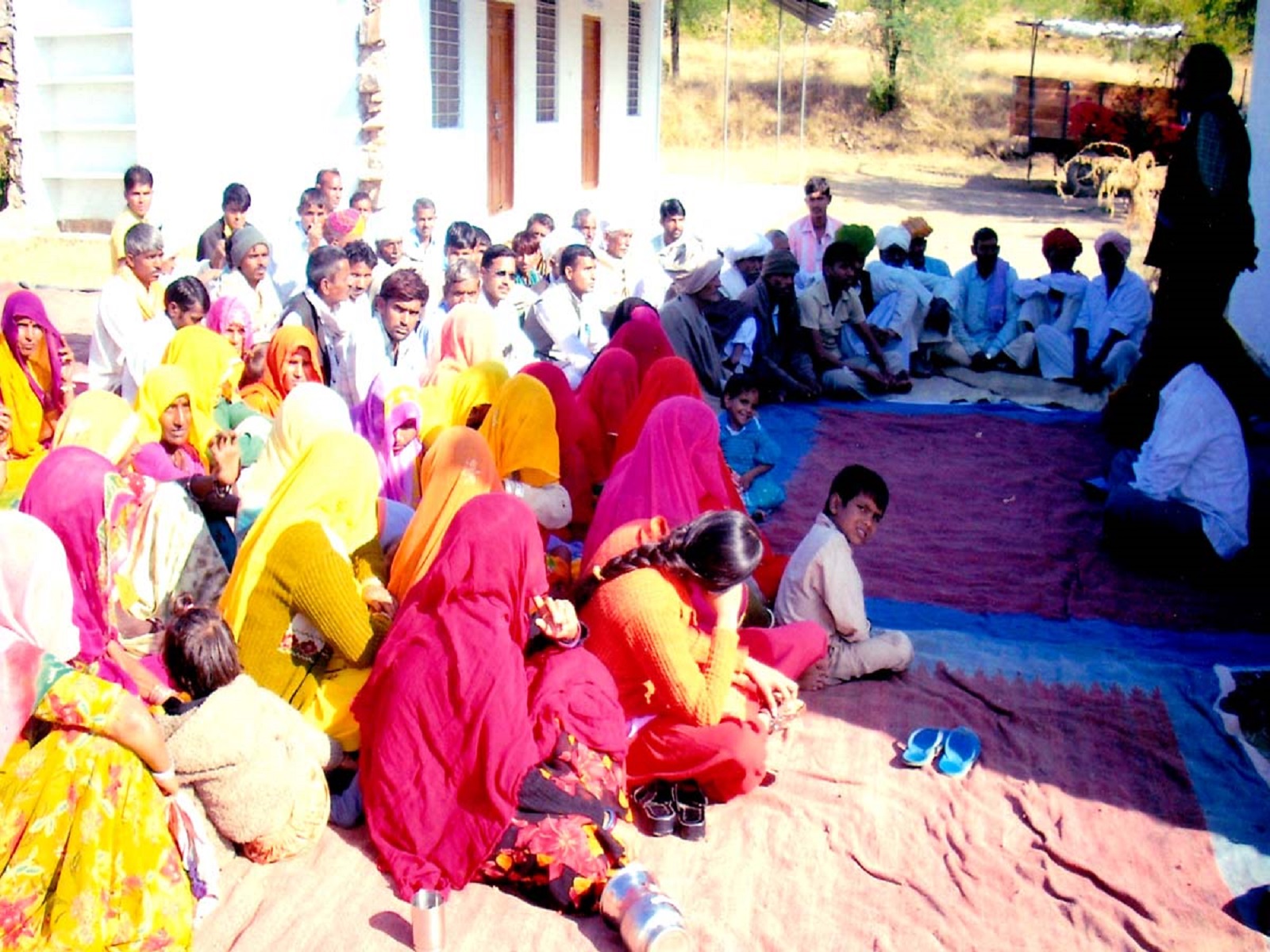
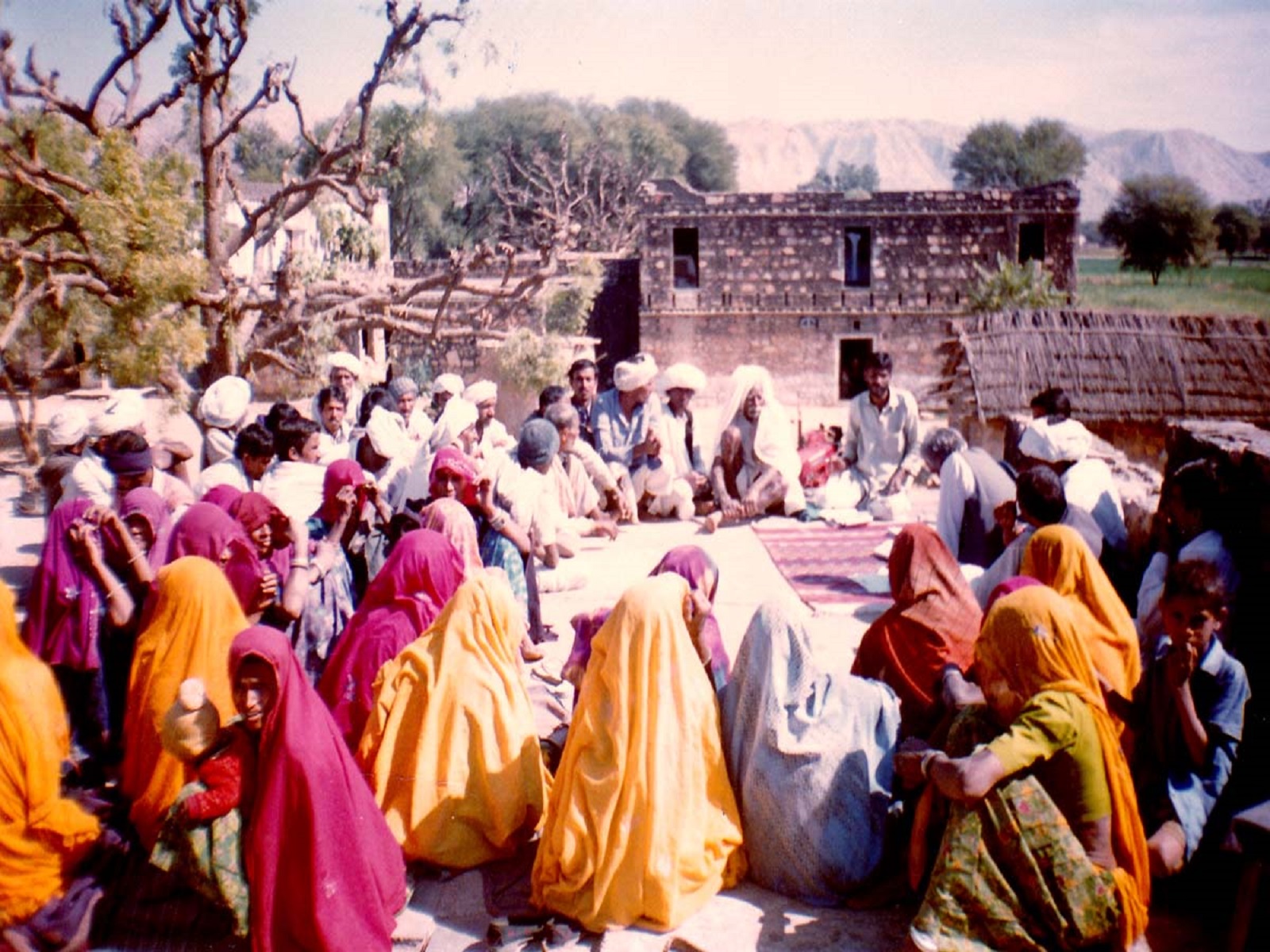
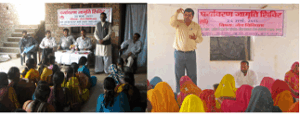
Under National Environment awareness campaign  have been conducted in village Titarwadakalan in Rajasthan and in UP Balwakharion in which around 1670 people including Schoolchildren, both men and women participated. During the campaign Padyatras and Rallies were organised in which school children and local villagers participated

See more

Impact Stories

The Journey of GVSS Across India

Gramin Vigyan Seva Sansthan (GVSS) began its journey in Rajasthan, where water scarcity and poverty were the biggest challenges. People struggled daily for drinking water, farmers abandoned their fields, and women were confined to household struggles.

GVSS initiated rainwater harvesting projects by building check dams, recharge pits, and rooftop harvesting systems. As a result, groundwater levels rose and community ponds were replenished. Farmers adopted drip irrigation systems, which reduced costs, conserved water, and doubled productivity. What was once barren land now produces wheat, pulses, and vegetables.

For women, GVSS established Self-Help Groups (SHGs) across villages. Women began saving collectively, accessing loans, and running small businesses like dairy, tailoring, and kitchen gardening. Kamla Devi, once a homemaker, now runs her own dairy business, finances her children’s education, and motivates other women to pursue independence.

At the same time, GVSS worked on women’s healthcare. Through free health camps and awareness programs, rural women learned about maternal health, menstrual hygiene, and nutrition. Thousands of women have benefited, breaking the silence around healthcare.

Today, GVSS’s work is not limited to Rajasthan. From Madhya Pradesh’s sustainable farming initiatives, to Uttar Pradesh’s SHG programs, to Bihar’s women health awareness, and Haryana’s water conservation campaigns, GVSS is making a difference across India.

✨ GVSS’s vision is clear: “Every village should be water secure, every woman empowered, and every family healthy and happy.” ✨

A Flow Towards Prosperity: The Success Story of Jagnath Meena

In Titarwada Kala — Ramvas, the family of Jagnath Meena, son of Revadmal Meena, lives. The family includes three sons, a daughter-in-law, and three grandchildren. Three sons and one granddaughter go to school. They own 2.5 acres of land. The land is sandy and slightly uneven. Their livelihood depends solely on agriculture, with only one irrigated plot. On this land, two crops could be grown, while the rest depended on rainfall, and crop yield relied on the amount of rainfall. Income was very low to run the family, so debts were increasing.

Last year, during fieldwork, the organization found that Jagnath’s well had limited water. However, if this water could be properly managed, water wastage could be reduced, and the irrigated area could be increased. After discussions with Jagnath, it was decided that if water could be delivered directly to the fields through a pipeline, wastage along the way could be prevented.

To implement this, a cement pipeline was laid to deliver water to the fields. It was calculated that 1,122 feet of pipeline would be required. The organization contributed ₹5,000, and the remaining expense was borne by Jagnath himself. Accordingly, the pipeline was installed.

Now, the same water irrigates 2.5 acres of land. Where earlier 30–35 liters of diesel were required, now only 20 liters suffice. A field that earlier took 5–6 days to irrigate now takes only 3–4 days. Previously, only two units of water could be delivered; now three units are delivered, increasing crop yield. The grain has become plumper because water is provided on time, increasing income. Soil erosion has also stopped. Additionally, the farmer has planted fruit-bearing trees, providing nutritious food for children and potential extra income. Now, small expenses no longer require taking loans. Life has become prosperous and happy.

Partners